Across TikTok, Instagram and YouTube Shorts, a “fake” Japanese cheesecake made with only two ingredients is racking up millions of views. No oven, no eggs, no gelatine – just a pot of thick yoghurt, a handful of biscuits and a long rest in the fridge.
The viral two-ingredient trick everyone is trying
Traditional Japanese cheesecake is known for its cloud-like crumb and gentle sweetness, but it usually demands whisked egg whites, careful baking and a water bath. This winter trend skips all that work and uses a simple bit of food science instead.
The principle is brutally simple: a thick dairy base plus a dry biscuit that soaks up moisture until it mimics sponge cake.
The biscuit acts like a sponge. As it absorbs the liquid from the yoghurt, it softens, swells and starts to feel like airy Japanese sponge. At the same time, the yoghurt loses some water and firms up, turning closer to a spreadable cream cheese.
The result is a small, chilled cake that slices or scoops like a light cheesecake, with almost no washing up. Many creators prepare it directly in the yoghurt pot, seal it, and forget about it until dessert time.
Why everyone insists on “the right yoghurt”
Not every yoghurt gives that cloud-like bite. The texture depends heavily on fat content and thickness.
- Greek yoghurt, strained yoghurt or skyr create a firm, creamy base.
- Full-fat fromage blanc or thick “velvet” style yoghurts also work well.
- Very low‑fat yoghurts tend to leak water, which makes the biscuit soggy rather than fluffy.
A higher fat content gives a richer mouthfeel and helps the final “cheesecake” hold its shape. People who tried with 0% yoghurt often report a slightly grainy, watery texture and less flavour.
The closer your yoghurt feels to cream cheese on a spoon, the closer your final dessert will feel to real cheesecake.
How the basic no-bake Japanese cheesecake is made
The most shared version online tastes like a cross between a glass of warm milk and a childhood biscuit. It needs only a couple of items you probably already have in your kitchen.
➡️ James Webb telescope discovers closest galaxy to the Big Bang ever seen
➡️ Italians Can’t Believe It: In France, Almost Everyone Cooks Pasta The Wrong Way
➡️ What are the unexpected health benefits of walnuts?
➡️ AIChina, Russia condemn Trump’s pressure on Venezuela
➡️ Shoppers in China rush to Ikea after furniture giant announces closure of 7 stores from Feb 2
Classic winter combo: thick yoghurt and plain biscuits
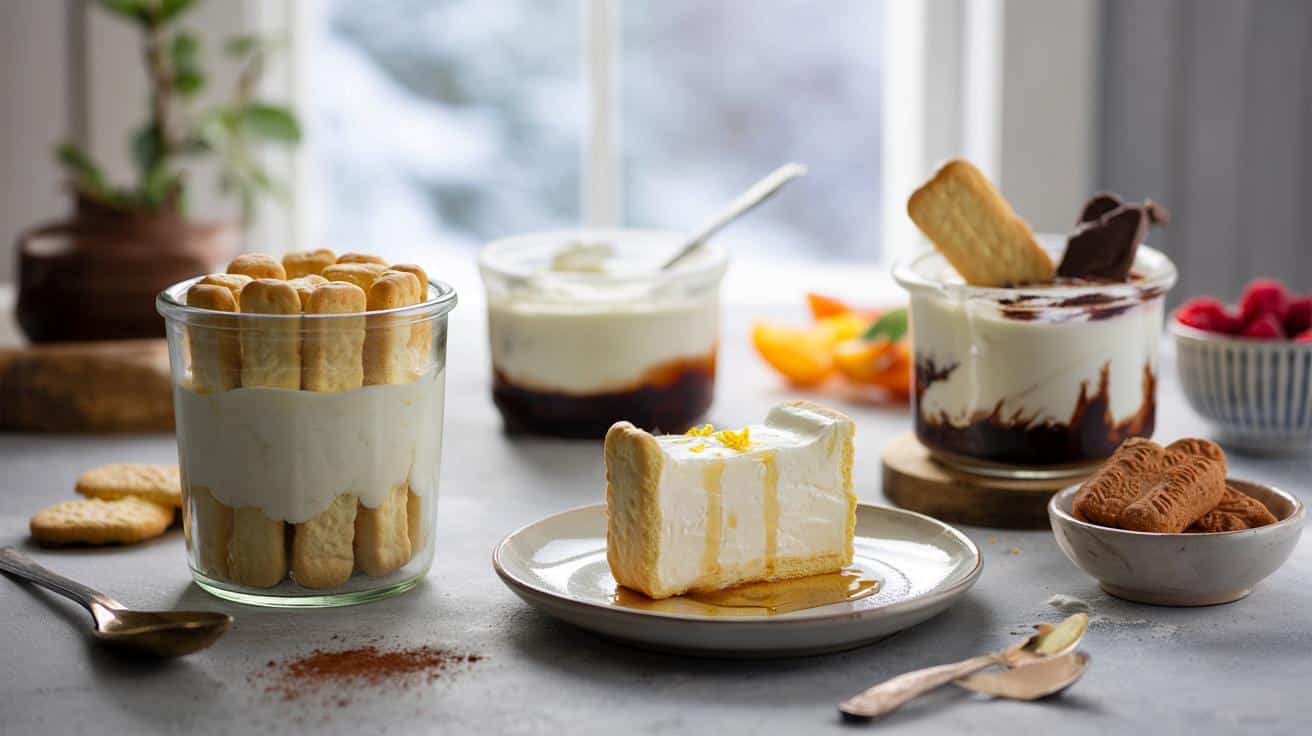
For a single-serve dessert, popular videos typically show:
- About 150 g plain Greek yoghurt
- 3–4 simple butter biscuits or tea biscuits
- A drizzle of honey and a touch of lemon zest on top (optional)
The process stays almost absurdly straightforward. The content creator opens the yoghurt, smooths the surface with a spoon, then pushes the biscuits in vertically until they disappear below the surface. The pot is sealed again and left in the fridge for at least four hours, often overnight.
By the next day, the transformation is complete. The biscuits cut like soft sponge fingers, the yoghurt stands in a gentle mound, and the whole thing can be eaten straight from the pot or unmoulded onto a small plate.
Chocolate lovers’ twist: stracciatella style
Because the base technique is so simple, variations appeared almost instantly. One of the most shared is a chocolate version that leans closer to a marbled cheesecake.
- Thick stracciatella or vanilla yoghurt as the base
- Chocolate biscuits or thin cookies pushed into the yoghurt
- Dark chocolate shavings added before serving
In this version, the darker biscuits take a little longer to soften, so many recipes suggest a minimum six hours in the fridge. The final texture has pockets of denser chocolate biscuit and crisp flecks of chocolate running through the cream.
Tiramisu in a yoghurt pot
Another hit riff uses instant coffee and spiced biscuits to mock up a tiramisu, again without mascarpone or raw egg.
Creators stir a spoon of soluble coffee or coffee extract straight into plain thick yoghurt until it turns a light mocha colour. Then they push in three or so speculoos biscuits, close the pot and chill it overnight. Just before serving, a dusting of unsweetened cocoa on top finishes the illusion.
The spoon sinks into coffee-scented cream and a layer of spiced biscuit that behaves surprisingly like tiramisu-soaked ladyfingers.
Getting that “cloud” texture instead of soggy mush
Scroll through comment sections and you will see the same question again and again: how do you keep it airy rather than dense and wet?
- Rest time: four hours is the bare minimum; eight to twelve hours gives a more even, sponge-like crumb.
- Fridge temperature: a colder fridge speeds up firming, but avoid the freezer, which can create icy crystals in the yoghurt.
- Biscuit choice: very thin, airy biscuits absorb more evenly than very hard, thick ones.
Those hoping for a neat unmould tend to use straight-sided glass jars or sturdy yoghurt tubs. Running a thin knife around the edge and tapping the base on a plate usually does the trick.
Personalising the trend: from weekday snack to dinner-party dessert
This viral recipe behaves like a blank canvas. Once the basic idea is understood, home cooks start building their own signatures.
- Swap classic tea biscuits for lemon shortbread or oat biscuits.
- Add fresh fruit on top: sliced banana, a handful of raspberries or segments of clementine.
- Finish with a spoonful of berry coulis, caramel, or a spoon of nut butter.
- Flavour the yoghurt with vanilla, cinnamon, cardamom or citrus zest.
Some content creators scale it up for guests. Instead of using individual pots, they line a small loaf tin with baking paper, spread a layer of thick yoghurt, stand biscuits along the length and repeat. After a night in the fridge, the block is flipped onto a plate and sliced like a chilled cake.
| Occasion | Yoghurt choice | Biscuit choice | Extras |
|---|---|---|---|
| Busy weekday snack | Plain Greek yoghurt | Simple tea biscuits | Tea or coffee on the side |
| Kid-friendly treat | Vanilla yoghurt | Butter biscuits | Banana slices, a drizzle of honey |
| Guests at dinner | Full-fat strained yoghurt | Lemon shortbread or speculoos | Coulis, citrus zest, cocoa powder |
Why this no-bake cheesecake fits winter so well
The timing of this trend is not an accident. Winter pushes people towards heavy stews and rich puddings, yet many still want recipes that feel light and low-effort. Energy prices and smaller city kitchens make long bakes less appealing.
No oven, no mixer, no specialty tins – the dessert fits the reality of students, flat‑sharers and anyone cooking in a tiny rental kitchen.
There is also a strong nostalgic pull. The taste profile is simple: milk, biscuit, a hint of sugar. It recalls school snacks and after‑school biscuits dunked in tea, but presented in a format that photographs well on social media.
Nutritional angle: treat, breakfast or something in between?
Despite its “cheesecake” label, this dessert sits somewhere between a pudding and a yoghurt bowl. Using high-protein yoghurts such as Greek yoghurt or skyr raises the protein content enough that some people are eating smaller versions at breakfast.
A few points to keep in mind:
- Full‑fat yoghurt brings creaminess but also extra calories.
- Sweetened yoghurts and biscuits can make the sugar content climb quickly.
- Portion size is easy to control when you keep it to one small pot per person.
For a lighter take, some dietitians suggest pairing plain thick yoghurt with semi‑sweet wholegrain biscuits and topping with fruit instead of caramel or chocolate. The texture change still happens, but the overall dessert feels closer to a balanced snack.
Practical tips and small risks to watch for
A few common problems crop up in comment threads. People sometimes open the fridge to find liquid pooled on top or biscuits that have disintegrated completely.
- If you spot a layer of water, just pour it off gently or stir it back before adding toppings.
- If the biscuit has vanished into mush, shorten the rest time next round or pick a firmer, thicker style.
- Very salty biscuits or highly flavoured savoury crackers are best avoided, as they clash with the sweet, milky profile.
Food safety also plays a role. The dessert relies on chilled dairy, so it should stay in the fridge until serving and be eaten within a day or two. For batch preparation, small sealed jars reduce the risk of picking up fridge odours or bacteria.
For anyone nervous about baking or working with gelatine, this trend functions almost like a gateway recipe. It teaches how moisture, fat and starch interact, through a dessert that feels playful and forgiving. From there, home cooks often move on to more ambitious chilled cheesecakes, trifle-style puddings or even traditional Japanese sponge cakes once they feel ready to turn the oven back on.